

Installed in your plant. Validated against its reality.

A local Edge host, an agreed source scope and a practical validation process. Zorithal works with your operations and IT/OT teams from the first assessment through ongoing support.

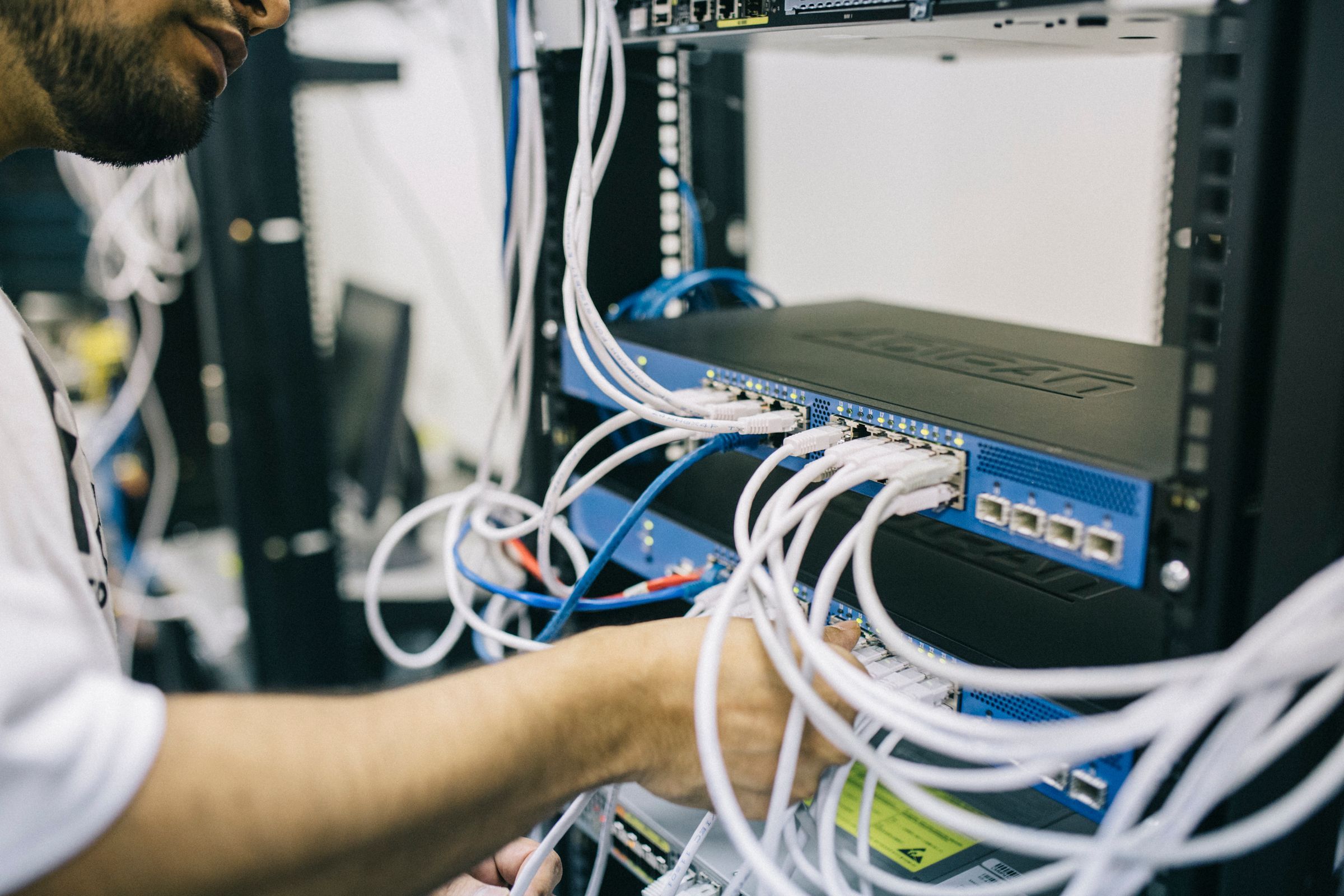
An engineer connects network cables to a switch in an equipment rack.

The internet is not the operating foundation.

Core operation runs on the plant LAN and local storage.

Edge host
OptiCore runs on hardware or a virtual machine approved by the plant, on site.
Plant network
Users and approved sources connect over the local network. Each plant runs its own instance.
Connectivity loss
Local capture continues. Network-loss and recovery behaviour is tested on site during validation.
Internet services
Optional and exceptional. Any such service is scoped and approved separately.

Four stages, each with a defined handover.

Timing is estimated once the sources, approvals and site conditions are understood.

Assess

Understand the plant.

Map the decisions that matter, the records that exist, the systems that hold them, and the network and governance constraints.

Activities

  • Site visit and stakeholder interviews (operations, maintenance, quality, IT/OT)
  • Inventory of source systems, files and paper records
  • Network, hosting and access review with plant IT/OT
  • Data-quality and identity review on representative samples

Outputs

  • Assessment findings and risks
  • Proposed source scope and capture workflows
  • Hosting and network requirements

Connect

Prepare the sources.

Install the local Edge host, configure approved read-only connections and imports, and set up the capture workflows the plant needs.

Activities

  • Edge host installation on plant-approved hardware or virtualization
  • Read-only connector configuration with least-privilege accounts
  • File and paper-record import templates
  • Asset register and identity mapping

Outputs

  • Configured standard OptiCore core
  • Documented connector scope and accounts
  • Capture workflows ready for testing

Validate

Test the evidence.

Check identities, relationships, permissions, historical fidelity and offline behaviour against representative plant scenarios before anyone relies on them.

Activities

  • Reconcile imported records against source systems
  • Review proposed asset links and alias rules with plant owners
  • Role and permission testing
  • Network-loss and recovery tests on site

Outputs

  • Validation record signed off by plant owners
  • Known limitations list
  • Go-live criteria

Maintain

Keep it dependable.

Train teams, watch ingestion quality, and keep integrations and the plant model current as equipment, systems and people change.

Activities

  • Role-based training for operators, engineers and managers
  • Ingestion and data-quality monitoring
  • Connector maintenance when source systems change
  • Product updates through an agreed, approved channel

Outputs

  • Support arrangement
  • Change log of plant-model and connector updates

What your team brings to an assessment.

Start with a question and the records behind it.

  1. A decision worth improving

    A specific operational question (downtime, scrap, recurring failures, handover gaps) that a named owner wants answered.

  2. Access to the records

    Permission to review representative records: system exports, files, logbooks. Paper is a valid starting point.

  3. Hosting on site

    Plant-approved hardware or virtualization for the Edge host, on a network segment agreed with IT/OT.

  4. Source owner approval

    For each read-only connection, an owner who approves scope, account and network path.

  5. People and time

    Plant staff available for interviews, validation reviews and training. Deployment cannot be done to a plant, only with it.

Keeping the system aligned with the plant.

People, sources and equipment change. Support responsibilities and change processes are agreed for each deployment.

Training

Role-based training for operators, engineers and managers, repeated as staff change.

Ingestion monitoring

Watching for failed imports, stale connectors and validation failures.

Plant-model upkeep

Keeping assets, aliases and configurations current as the plant changes.

Product updates

Standard-core updates applied through an approved channel and change window.

Questions worth asking early.

Do we need to digitize everything first?

No. An assessment can begin with paper logs, spreadsheets and system exports. Source quality and the decision you want to improve determine the starting scope.

Does the plant need a public internet connection?

Normal operation is designed around an on-premise Edge host and the plant network. Any exceptional internet service is scoped and approved separately.

How long does installation take?

A schedule is estimated after source sampling, hosting review and approval planning. There is no fixed deployment duration claimed for every plant.

Who looks after the system after go-live?

Zorithal and the plant agree responsibilities for training, connector maintenance, plant-model changes, backups and controlled updates during deployment.

Risks we plan for.

Data quality, approvals, adoption and network conditions belong in the plan from the start.

Data quality is lower than expected

Assessment samples real records early so that gaps change the plan, not the go-live date.

Approvals take time

OT and IT approvals for read-only access are scheduled into the plan, not assumed.

Source systems change

Upgrades to ERP, SCADA or CMMS can affect connectors. Ongoing support covers detection and maintenance.

Adoption on the floor

Native capture only works if it fits the shift. Workflows are tested with operators before go-live.

Network constraints

Offline behaviour and recovery are tested on site against the plant’s actual network conditions.

See OptiCore against your own plant records.

Book a technical walkthrough with the Zorithal team. Bring an operational question and a sample of the records behind it, and we will show how OptiCore would handle them.